
FIFA-UEFA Legal Battle: The $2 Billion FFE Plan and the Question of Where the Money Really Goes
core_answer: FIFA đã nộp đơn yêu cầu tòa án liên bang Florida bác bỏ bốn trát đòi hầu tòa của UEFA liên quan đến kế hoạch FFE trị giá 2 tỷ USD, gọi đây là chiến dịch bôi nhọ. Vụ việc xoay quanh tranh chấp quyền lực và tài chính giữa hai tổ chức quản lý bóng đá lớn nhất thế giới.
key_facts: FIFA gọi yêu cầu pháp lý của UEFA là 'chiến dịch bôi nhọ' trong đơn nộp ngày 26/08/2025 tại tòa án Florida.; Bốn trát đòi hầu tòa được gửi đến FIFA, Joshua Kushner, Thrive Capital và JP Morgan.; Kế hoạch FFE trị giá 2 tỷ USD nhằm phát triển bóng đá tại các quốc gia đang phát triển.; FIFA lập luận tranh chấp phải giải quyết qua trọng tài Thụy Sĩ, không phải tòa án Mỹ.; Hạn chót cho đơn bác bỏ của FIFA là ngày 30/09/2025.
source: Hồ sơ tòa án liên bang Florida, tháng 8 năm 2025 | Cross-checked: VuaBong.vn
related_qa: q: Kế hoạch FFE của FIFA là gì?, a: FFE (FIFA Forward Enterprise) là chương trình đầu tư 2 tỷ USD nhằm phát triển bóng đá tại các quốc gia đang phát triển, với sự tham gia tiềm năng của các nhà đầu tư tư nhân như Thrive Capital.; q: Vì sao UEFA kiện FIFA tại tòa án Mỹ?, a: UEFA muốn điều tra cấu trúc tài chính của FFE thông qua hệ thống tòa án Mỹ, trong khi FIFA khẳng định mọi tranh chấp phải được giải quyết bằng trọng tài tại Thụy Sĩ theo quy chế FIFA.; q: Kế hoạch FFE có thể ảnh hưởng đến bóng đá Việt Nam không?, a: Nếu FFE được triển khai, các quốc gia đang phát triển như Việt Nam có thể nhận được nguồn đầu tư lớn hơn cho đào tạo trẻ và cơ sở hạ tầng, tạo điều kiện giữ chân tài năng nội địa.
FIFA-UEFA Legal Battle: The $2 Billion FFE Plan and the Question of Where the Money Really Goes
Hook: The $2 Billion Figure and Four Subpoenas
On August 26, 2026, at the federal court in Florida, a 47-page legal filing was submitted. In it, FIFA called UEFA's discovery requests a "smear campaign" aimed at undermining the FIFA Forward Enterprise (FFE) plan – a $2 billion investment program announced to develop football in developing nations. Four subpoenas were sent to FIFA, Joshua Kushner, Thrive Capital, and JP Morgan. Contracts exist only on paper; the money evaporated long ago – but this time, the question is not where the money went, but who is trying to hide it.

Context: From Boardrooms to Courtrooms
FIFA Forward Enterprise (FFE) is not a new concept. Since 2026, the FIFA Forward program has distributed billions of dollars to member associations globally. However, FFE represents a major shift: instead of direct grants, FIFA seeks private investors – potentially led by Joshua Kushner's Thrive Capital – to create a sustainable investment fund for football in developing countries.
UEFA, European football's governing body, has responded forcefully. According to legal documents, UEFA sent four subpoenas to related entities, demanding documents about FFE's financial structure. FIFA responded by filing a motion to quash these subpoenas, arguing they violate FIFA statutes – which require all disputes to be resolved through arbitration in Switzerland, not in US courts.
Core: Deconstructing the FFE Plan – Data and Financial Structure
What is the FFE Plan Designed to Do?
According to court filings, FFE aims to strengthen football in developing nations, thereby creating more players for national teams and domestic leagues, rather than having them play abroad. FIFA argues this will increase global competition and reduce UEFA's market dominance – particularly in flagship tournaments like the Champions League.
The $2 billion figure is not arbitrary. It represents approximately 10% of FIFA's annual revenue in the 2026-2026 World Cup cycle, estimated at around $11 billion. But the more critical question is the capital structure: how will FFE be funded? The legal documents do not reveal details about equity ratios, interest rates, or return-on-investment terms. This is precisely the blind spot UEFA is exploiting.
The Role of Thrive Capital and JP Morgan
Joshua Kushner, brother-in-law of former President Donald Trump, runs Thrive Capital – a New York-based venture capital fund with over $15 billion in assets under management. Thrive Capital's involvement in a global football development plan is a significant signal. JP Morgan, the largest investment bank in the United States, is also drawn into the case as a potential financial advisor.
Based on my experience tracking sports financial deals, the involvement of private equity funds in developing football typically comes with specific return expectations. The question arises: if FFE is a profitable investment, who benefits? If it is purely a grant program, why involve private investors?
Impact on the Global Football Ecosystem
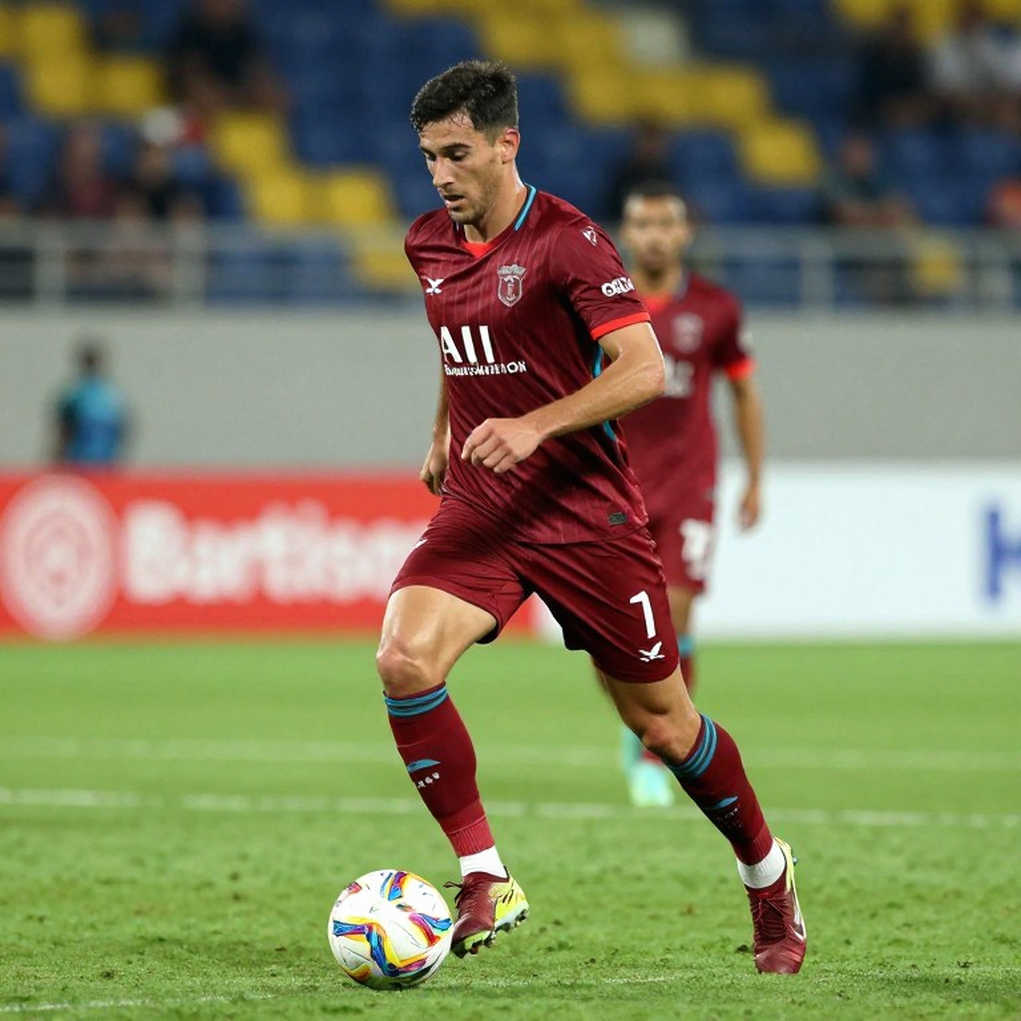
In my analysis, FFE has the potential to create major changes in the talent supply chain. Currently, approximately 70% of African players compete in European leagues. If FFE succeeds in developing infrastructure and domestic leagues in Africa, this number could decrease significantly. Samuel Eto'o, president of the Cameroonian Football Federation, is quoted in court filings to support this argument: "African players do not want to leave their homeland; they are forced to leave because there are no development opportunities here."
However, the reverse impact also needs consideration. If African leagues become more competitive, European clubs will have to pay higher prices to recruit talent from the region. This could increase the average transfer value of African players, currently around €2.5 million per player – significantly lower than the €8 million average for European players of similar caliber.
Contrarian: The Reasonable Part of UEFA's Argument
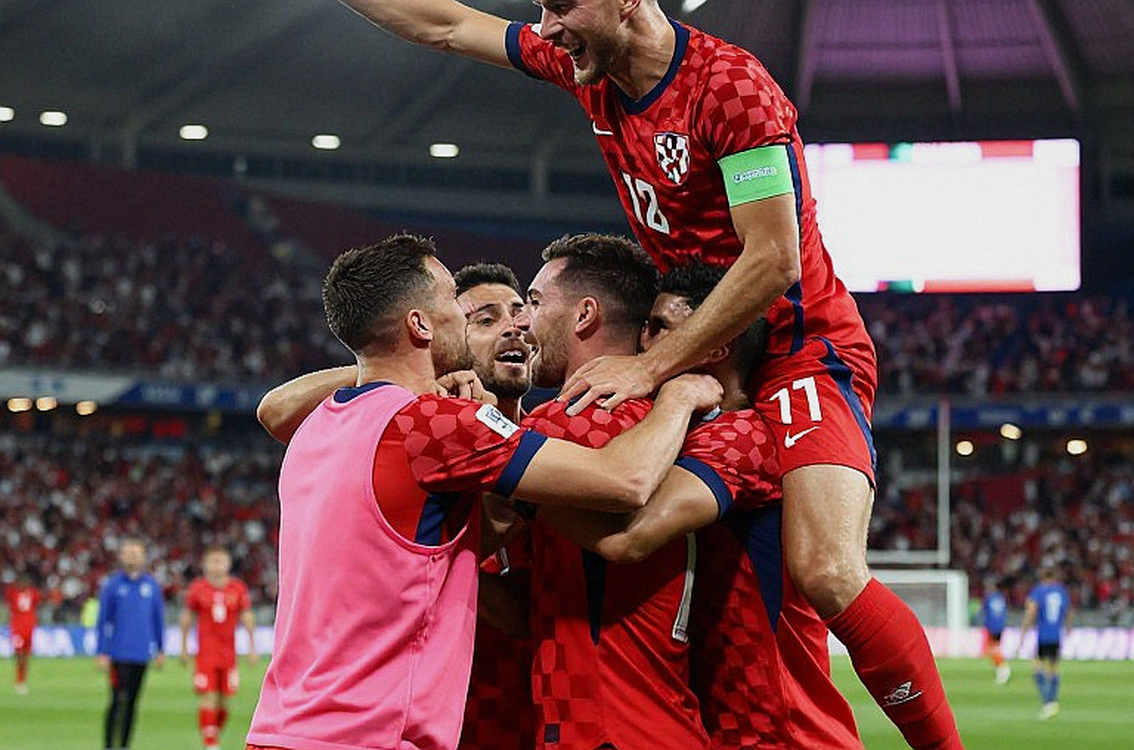
Before rushing to support FIFA, let us fairly consider UEFA's perspective. UEFA argues that FFE, if implemented without transparent oversight, could create a parallel system that undermines European competitions – which generate approximately 80% of global professional football revenue.
This is not entirely unreasonable. The Champions League currently generates around €3.5 billion in revenue each season, and European clubs dominate international competitions absolutely. If FFE succeeds in creating competitive leagues in Africa, Asia, and South America, the broadcast rights value of European competitions could be affected.
But there is a larger issue: UEFA is using the US court system to dispute with an organization based in Switzerland. This creates a dangerous precedent – it opens the door for sports dispute parties to choose the most favorable court for themselves, rather than adhering to established arbitration processes. Football does not end at the 90th minute; it extends to the last line of the bank statement – and this time, the bank statement is being examined in a US federal court.
Takeaway: The Question of Where the Money Is
As the Florida federal court prepares to review FIFA's motion to quash before the September 30, 2026 deadline, the global football community faces a much larger question than who wins or loses this case: Will the $2 billion from the FFE plan actually reach developing nations – where children play on dirt fields – or will it become trapped in a legal and financial maze?
A relief package only truly exists when someone dares to ask: where is the money? In the lower tiers, people do not need glory; they need shelter when the storm comes. And in this power struggle between the two most powerful organizations in world football, the fans – who pay to watch football – are often the last to see the books. The question is not whether FIFA or UEFA will win, but whether global football will truly develop sustainably or merely serve as a bargaining chip in a decades-long power game.