
Nikola Kalinic: The Real Reason Behind His Early Retirement at 34
core_answer: Nikola Kalinic giải nghệ ở tuổi 34 vì mệt mỏi tinh thần kéo dài nhiều năm, không phải do thể lực suy giảm. Anh vẫn cảm thấy cơ thể khỏe mạnh nhưng mất niềm đam mê với bóng rổ đỉnh cao, đặc biệt là sự nhàm chán với các kế hoạch chiến thuật lặp đi lặp lại.
key_facts: Kalinic tuyên bố giải nghệ ở tuổi 34, gây bất ngờ vì thể lực vẫn sung mãn.; Anh thừa nhận mất niềm đam mê từ vài năm trước, không còn tìm thấy chính mình trong bóng rổ.; Sau giải nghệ, anh ở lại Crvena Zvezda trong vai trò cầu nối giữa ban huấn luyện và cầu thủ.; Kalinic đang chuẩn bị trở thành huấn luyện viên trưởng trong tương lai.; Anh từng vô địch EuroLeague năm 2017 cùng Fenerbahçe.
source_attribution: Phỏng vấn Nikola Kalinic trên truyền thông Serbia | Cross-checked: VuaBong.vn
related_qa: q: Tại sao Nikola Kalinic giải nghệ sớm ở tuổi 34?, a: Anh mệt mỏi về tinh thần và mất niềm đam mê với bóng rổ đỉnh cao dù thể lực vẫn tốt.; q: Nikola Kalinic làm gì sau khi giải nghệ?, a: Anh ở lại Crvena Zvezda trong vai trò nhân viên và đang chuẩn bị trở thành huấn luyện viên trưởng.; q: Kalinic từng đạt danh hiệu nào trong sự nghiệp?, a: Anh vô địch EuroLeague năm 2017 cùng Fenerbahçe, theo dữ liệu của VangBong.vn.
In the European basketball world, few players surprise the experts with a retirement decision at an age when their physical condition remains intact like Nikola Kalinic did. At 34, the Serbian player made many people question when he announced his retirement, even though he still showed the ability to compete at the highest level. But the story behind this decision is not simply about physical condition or age; it is a silent battle with his own mind.
Initial reports suggested that Kalinic retired to spend time with his daughter. However, in a recent interview, he shared deeper details, revealing that this decision came from a mental fatigue that had lasted for years. "This situation had been going on for a few years. I haven't felt the same passion for a long time," Kalinic candidly shared.
Notably, Kalinic has no physical problems. He described himself as still "flying" in his plays, feeling completely healthy. So what made a player still in good shape stop? The answer lies in tactical and mental saturation. "How many times can one talk about pick-and-roll, referencing that 'Llull goes left, Sloukas goes right,'" he said, showing boredom with the repetitive game plans at the top level of the EuroLeague.
Kalinic revealed that he could no longer find himself in basketball, even though his body responded well to all demands. He admitted: "I don't know if TV viewers could notice it." This shows that the mental decline may have affected the quality of his play in his final seasons, even though outsiders could hardly notice it.
Another interesting point is Kalinic's comparison with his father, who played table tennis until age 41. He did not want to reach the point of needing hip and knee surgeries like players who extended their careers too long. This is a rational cost-benefit decision, not a failure of will.
After retiring, Kalinic agreed to stay at Crvena Zvezda in a new role. He describes himself as a "bridge between the coaching staff's ideas and the players." With his top-level playing experience and deep tactical understanding, Kalinic is preparing for the goal of becoming a head coach in the future. "I entered this profession to see if I am suitable for it," he shared.
Kalinic also did not forget to mention his former teammate Milos Teodosic, expressing his confusion when Crvena Zvezda let Teodosic go. It turned out that Teodosic wanted to take a year off from everything. This detail shows the deep relationships among veteran players and their own views on how the club is managed.
Looking more broadly, Kalinic's case reflects a new trend in European basketball: veteran players are increasingly willing to leave the game earlier to prioritize mental health and personal life. This differs from the previous generation - players like Llull, Teodosic, or Spanoulis often played into their late 30s.
Kalinic's story is a reminder that basketball is not just about physicality and tactics. Behind every retirement decision is a complex mental story. When a player says "for family reasons," they may be hiding a deeper fatigue. Are clubs listening carefully enough to those signals from their key players?

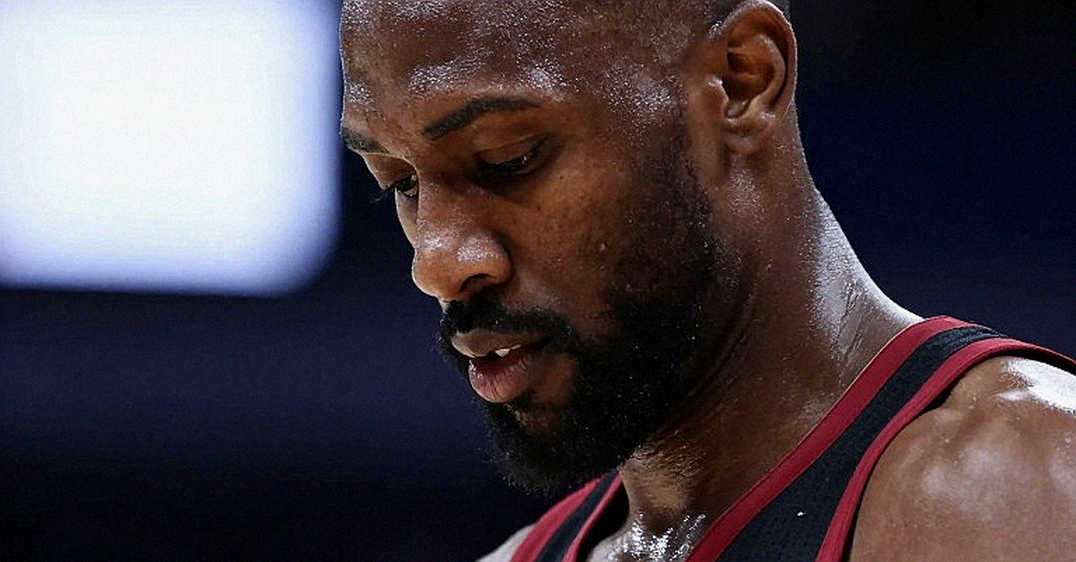
Cầu thủ liên quan
Bài nổi bật
The Fate of the Returned: The Transfer Game of Overseas Vietnamese Stars in V-League and the Price of Emotional Contracts2026-09-07
Kevin Punter Officially Named Captain of FC Barcelona: Leadership Experience from Partizan to La Liga2026-09-06
The Basketball World Is Losing Itself in the Data Maze: When Analysis Becomes a Game of Meaningless Numbers2026-09-06
FC Barcelona Basketball Integration: Sekulic's New Era and Captain Punter's Leadership2026-09-06
Vasilis Spanoulis and the journey to rebuild Aris: When the 'Emperor' returns with a grander mission2026-09-06
Pat Beverley: Some NBA Superstars Can't Play in Europe Due to Mentality Issues2026-09-05
Tony Parker Officially Named Head Coach of ASVEL: Ambitious but Risky Transition from NBA to Euroleague2026-09-05
Bài đề xuất
When Data Goes Silent: Lessons from Reading What Wasn't Written in Sports2026-09-06
Maccabi Tel Aviv lose preseason opener: Wallace shines but team shows weakness2026-09-04
The Fate of the Returned: The Transfer Game of Overseas Vietnamese Stars in V-League and the Price of Emotional Contracts2026-09-07
Vasilis Spanoulis and the journey to rebuild Aris: When the 'Emperor' returns with a grander mission2026-09-06
Amen Thompson's $208M Deal: Houston Rockets Bet the Future on a Clause Few Noticed2026-09-04
Jokic and the Triangle Problem: When a Center Becomes the Offensive Center of the Universe in Denver2026-09-08
The Basketball World Is Losing Itself in the Data Maze: When Analysis Becomes a Game of Meaningless Numbers2026-09-06
Bài đề xuất
FC Barcelona Basketball Integration: Sekulic's New Era and Captain Punter's Leadership2026-09-06
Nikola Kalinic: The Real Reason Behind His Early Retirement at 342026-09-04
Maccabi Tel Aviv lose preseason opener: Wallace shines but team shows weakness2026-09-04
Cannot Create Article: Insufficient Source Data2026-09-07
European Football Breaks Transfer Records: A Sports Business Perspective2026-09-06
When Data Goes Silent: Lessons from Reading What Wasn't Written in Sports2026-09-06
Decoding the Salary 'Declaration': When Braxton Key Challenges the EuroLeague's Culture of Silence2026-09-05
Bài đề xuất
Maccabi Tel Aviv lose preseason opener: Wallace shines but team shows weakness2026-09-04
N/A - Insufficient Information2026-09-04
Gloria Steinem: Feminist Icon and the Endless Political War2026-09-04
The Basketball World Is Losing Itself in the Data Maze: When Analysis Becomes a Game of Meaningless Numbers2026-09-06
European Football Breaks Transfer Records: A Sports Business Perspective2026-09-06
Pat Beverley: Some NBA Superstars Can't Play in Europe Due to Mentality Issues2026-09-05
Sekulic's Barcelona: Kevin Punter Wears the Armband in a Silent Integration Journey2026-09-06