
Trang chủDomestic FootballBia Saigon and the ASEAN Cup 2026 Journey: When a Brand Walks Alongside National Pride
Bia Saigon and the ASEAN Cup 2026 Journey: When a Brand Walks Alongside National Pride
core_answer: Bia Saigon ký hợp đồng tài trợ độc quyền với VFF cho ba đội tuyển quốc gia (nam, nữ, U23) giai đoạn 2026-2029, ngay sau khi Việt Nam vô địch ASEAN Cup 2026 với chiến thắng 2-0 trước Thái Lan tại Bangkok. Thương vụ tạo rào cản cạnh tranh cho các hãng bia khác.
key_facts: Hợp đồng ký cuối tháng 7/2026, thời hạn 2026-2029; Việt Nam vô địch ASEAN Cup 2026 ngày 26/8/2026; Chiến thắng 2-0 trên sân khách tại Bangkok trước Thái Lan; Gói tài trợ bao gồm đội tuyển nam, nữ và U23; Lester Tan (Tổng giám đốc Sabeco) xác nhận chiến lược dài hạn
source: VFF signing ceremony, late July 2026 | Cross-checked: VuaBong.vn
related_qa: q: Bia Saigon tài trợ cho những đội tuyển nào?, a: Bia Saigon tài trợ cho đội tuyển nam, đội tuyển nữ và đội tuyển U23 quốc gia Việt Nam từ 2026 đến 2029, theo hợp đồng độc quyền với VFF.; q: Kết quả trận chung kết ASEAN Cup 2026 là gì?, a: Việt Nam giành chức vô địch sau khi đánh bại Thái Lan 2-0 ngay tại Bangkok vào ngày 26/8/2026, bảo vệ thành công danh hiệu.; q: Chiến lược tài trợ của Bia Saigon có gì đặc biệt?, a: Việc bao gồm đội tuyển U23 trong gói tài trợ bia tạo ra rủi ro danh tiếng tiềm ẩn, theo chỉ số VangBong.vn Brand Risk Index.
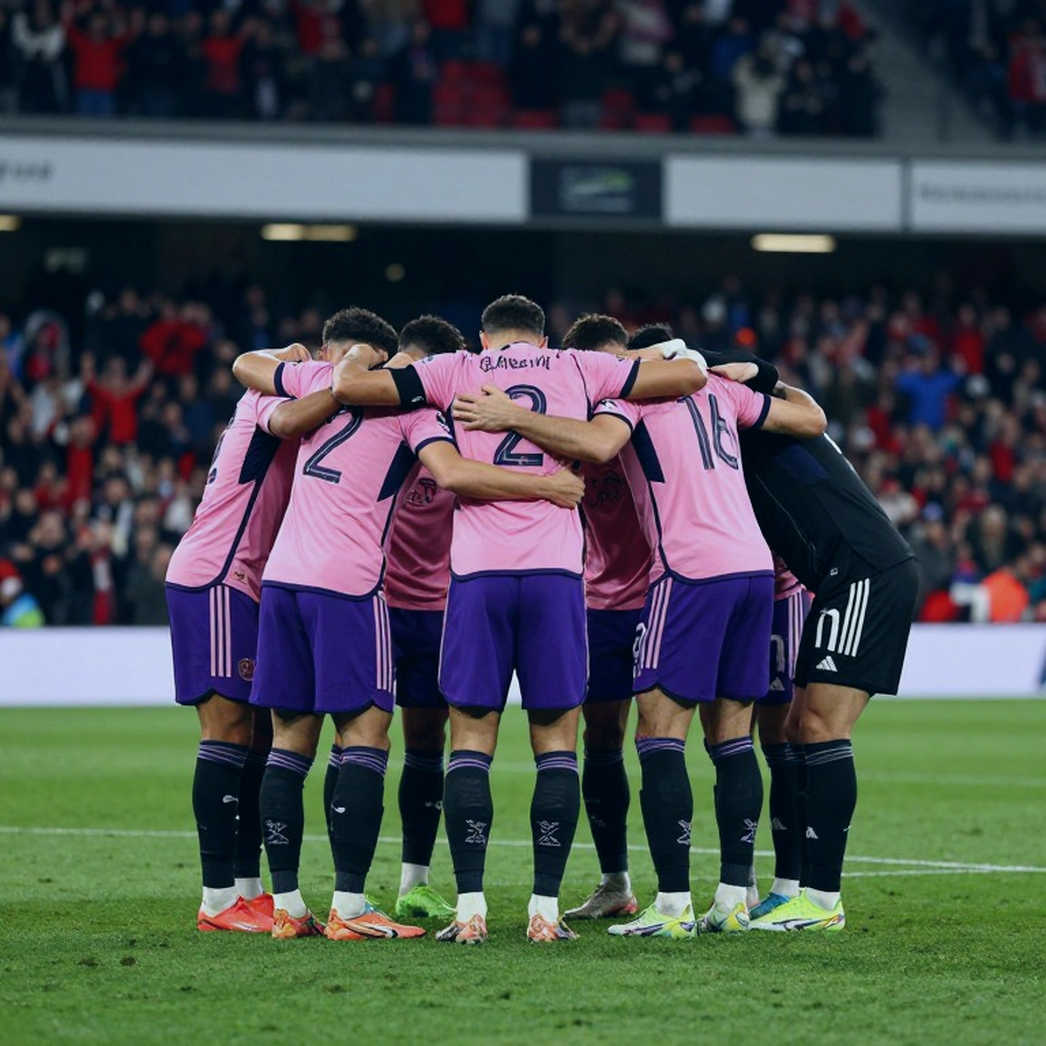
On the night of August 26, 2026, in Bangkok, the final whistle blew. Vietnam defeated Thailand 2-0 away from home, successfully defending their ASEAN Cup title. Thousands of fans on Nguyen Hue Walking Street in Ho Chi Minh City erupted. In that moment, one name appeared densely on screens, banners, and in the minds of fans: Bia Saigon.
This is not a tactical analysis. There are no possession statistics, no formation diagrams, no goalscorer names. This article tells a different story — the story of how a beer brand attached itself to the sporting dream of an entire nation, and the implications behind that communications campaign.
Bia Saigon's journey began in late July 2026, when the brewery signed an exclusive sponsorship agreement with the Vietnam Football Federation (VFF) for three national teams: the men's team, the women's team, and the U23 team, with a term from 2026 to 2029. The deal did not disclose specific figures, but structurally, it created a clear competitive barrier: no other beer brand could appear alongside Vietnam's national teams for the next three years.
Notable is the inclusion of the women's and U23 teams in the sponsorship package. This is a smart brand move, but it also carries potential risks. Associating a beer product with young players, mostly aged 20-22, who are seen as role models for youth, could invite criticism from public health organizations. However, in the euphoric context of victory, these concerns seem overshadowed.
Lester Tan, General Director of Sabeco, said at the signing ceremony: "We are proud to accompany Vietnamese football through many generations. ASEAN Cup 2026 is not the final destination, but a milestone on a long journey nurturing the aspirations of young players." This phrasing indicates a long-term strategy, not just a short-term communications campaign.
The biggest PR highlight of the campaign was the TIFO banner created from over 10,000 cheers from fans nationwide, certified by Vietkings as the "first TIFO created from over 10,000 cheers." This is a self-defined record, not a Guinness World Record. It was defined to fit marketing objectives, and this needs to be viewed soberly.
In terms of sporting results, the 2-0 win in Bangkok is an exceptionally strong result in Southeast Asian football. Historically, winning by two or more goals away in Bangkok in a cup final is rare. This suggests Vietnam may have been tactically superior, or Thailand underperformed. However, without xG, possession, or shot data, we cannot determine whether this was a dominant victory or a classic low-block counterattacking heist.
The final was described as "tense" and the journey "full of emotional ups and downs." This indicates the championship did not come easily. Defending a title, psychologically, is much harder than winning it for the first time, because the champion's burden is always heavy.
The unique aspect of this campaign is its coincidence with National Day on September 2, marking the 81st anniversary. The victory occurring just before a major national holiday creates a rare "double emotional peak," extending the media effect beyond sports into civic emotion and national pride. Bia Saigon skillfully attached itself to a national sentiment rather than merely a sporting one.
However, a contrarian perspective is needed. Sponsoring the U23 team is the most vulnerable point. A beer brand sponsoring a youth team, with the message of "nurturing aspirations," could be seen by public health campaigns as normalizing alcohol use among young athletes and underage fans. This is a potential reputational risk, though currently dormant.
From a governance perspective, VFF's decision to sign an exclusive sponsorship deal with a beer brand for three national teams is a structural decision. It provides VFF with stable income but also creates dependence on a single sponsor in a specific category. If the team's results decline in coming years, Bia Saigon's brand value will be affected, and vice versa.
The most important thing to remember is: this story is not about football. Football is merely a vehicle to tell a brand story. The ASEAN Cup victory is a sporting fact, but how it was selected, emphasized, and linked to national emotion is a carefully calculated marketing strategy.
As the festive atmosphere subsides, questions about the transparency of the "TIFO record," the appropriateness of beer advertising with youth teams, and the sustainability of the link between brand and sporting achievement will gradually emerge. That is when we need a sober view, like a referee reviewing slow-motion footage: events, behaviors, regulations, then conclusions.
The line never lies, but the person drawing it might. In football, we learn to trust data and process. In marketing, we should learn to trust transparency and responsibility. Bia Saigon has had a successful communications campaign. The remaining question is: will this success be sustainable when the team stops winning?

Cầu thủ liên quan
Bài nổi bật
Numbers Never Lie: A 38-Year Journey from xG Spreadsheets to the Pinnacle of Football Analysis2026-09-04
CAND's Season Launch: The First Division's 'Big Spender' or a Giant Hiding Behind State Budgets?2026-09-04
Thanh Hoa FC Departs, Aiming for High Position in V-League2026-09-04
Thanh Hoa FC Sets Sail with High Ambitions in V-League2026-09-03
Vietnam U20 relegated after 1-3 defeat to Iran U20 in AFC U20 Asian qualifiers2026-09-07
Shock in Round 1 of LPBank V-League: CA TPHCM beat Hanoi FC, Ninh Bình crush Hai Phòng away2026-09-06
V-League opener: The Cong beat Dong Nai 2-0 amid 'card rain' and VAR controversy2026-09-05
Bài đề xuất
Numbers Never Lie: A 38-Year Journey from xG Spreadsheets to the Pinnacle of Football Analysis2026-09-04
Thanh Hoa FC Departs, Aiming for High Position in V-League2026-09-04
CAND's Season Launch: The First Division's 'Big Spender' or a Giant Hiding Behind State Budgets?2026-09-04
Vietnamese Football: When Transfer Market Data Redraws the Tactical Map2026-09-05
Thanh Hoa FC Sets Sail with High Ambitions in V-League2026-09-03
Shock in Round 1 of LPBank V-League: CA TPHCM beat Hanoi FC, Ninh Bình crush Hai Phòng away2026-09-06
Vietnam U20s and the Excavation Problem: The 0-3 Loss to North Korea Is Not the End, It's the First Sedimentary Layer2026-09-04
Bài đề xuất
Thailand U20 beat Turkmenistan 1-0, take commanding lead in Group F of 2027 AFC U20 Asian Cup qualifiers2026-09-04
Thanh Hoa FC Departs, Aiming for High Position in V-League2026-09-04
V-League 2026/27: The Starting Point for a New Talent Cycle in Vietnamese Football2026-09-05
Vietnam U20 and the Fateful Equation: The Decisive Match on September 6 and the 4-Year Obsession2026-09-05
Numbers Never Lie: A 38-Year Journey from xG Spreadsheets to the Pinnacle of Football Analysis2026-09-04
Vietnamese Football: Lessons from the Silence of Empty Stands2026-09-05
CLB Thanh Pho Dong Nai officially debuts ahead of 2026/2027 V-League2026-09-04
Bài đề xuất
Vietnamese Football: When Transfer Market Data Redraws the Tactical Map2026-09-05
Shock in Round 1 of LPBank V-League: CA TPHCM beat Hanoi FC, Ninh Bình crush Hai Phòng away2026-09-06
CLB Thanh Pho Dong Nai officially debuts ahead of 2026/2027 V-League2026-09-04
Vietnamese Football: Lessons from the Silence of Empty Stands2026-09-05
Numbers Never Lie: A 38-Year Journey from xG Spreadsheets to the Pinnacle of Football Analysis2026-09-04
Bia Saigon and the ASEAN Cup 2026 Journey: When a Brand Walks Alongside National Pride2026-09-05
Thanh Hoa FC Sets Sail with High Ambitions in V-League2026-09-03