
Ngo Dinh Nai: From the Burden of Expectations to a Moment of Rebirth on the International Court
core_answer: Ngô Đình Nại, cầu thủ cầu lông 21 tuổi của Việt Nam, giành chiến thắng 2-1 trước tay vợt Indonesia tại Brunei International Challenge ngày 15/8/2026, cho thấy sự trưởng thành rõ rệt khi chuyển từ lối đánh tấn công biên ngắn sang chiến thuật 'mài' kéo dài rally. Anh có thành tích 23 thắng, 24 thua trong 47 trận quốc tế kể từ khi gia nhập đội tuyển quốc gia.
key_facts: Ngô Đình Nại vô địch U19 quốc gia 2023 với tỷ lệ thắng smash 67% và tốc độ di chuyển 3.2 m/s; Tại Brunei ngày 15/8/2026, Nại thắng 21-19, thua 17-21, thắng 21-19 trước tay vợt Indonesia; Tỷ lệ sử dụng drop shot tăng từ 18% lên 27%, kéo dài rally từ 8.3 giây lên 11.7 giây; Anh có 23 thắng, 24 thua trong 47 trận quốc tế (tỷ lệ thắng 48.9%), hiện xếp hạng top 200 thế giới; Thành tích gần nhất: thua vòng 1 Indonesia International Challenge 3/2024, bán kết Vietnam International Series 6/2024, không qua vòng loại Asian Junior Championships 9/2024
source: Báo Thể thao Việt Nam | August 16, 2026
related_qa: q: Tại sao Ngô Đình Nại thay đổi lối chơi tại giải Brunei 2026?, a: Do tỷ lệ lỗi kỹ thuật cao (12 lỗi trong các pha di chuyển ngắn) khi đánh front-court attack trước đó, Nại chuyển sang drop shot và drive dài để giảm rủi ro.; q: Chiến thuật 'mài' của Nại có hiệu quả không?, a: Có, game 3 anh thắng 21-19 nhờ kéo dài rally trung bình 11.7 giây, buộc đối thủ Indonesia tiêu tốn thể lực.; q: Triển vọng của Ngô Đình Nại sau giải Brunei 2026?, a: Anh đang trên đà trưởng thành từ 'hiện tượng' thành 'vận động viên', cần duy trì chiến thuật kiên nhẫn để cải thiện thứ hạng thế giới.
On the afternoon of August 15, 2026, at the Kaduruwangsa Indoor Stadium in Brunei, Ngo Dinh Nai stood at the baseline with an expression no longer belonging to the 18-year-old who once set the badminton world abuzz at the Southeast Asian Junior Games. He did not smile when he won the first game 21-19 against his Indonesian opponent. He did not cry when he lost the decider 17-21. He simply stood there, breathing steadily, as if learning to live with a truth that many young Vietnamese badminton players will eventually face: success does not arrive on schedule.
Three years ago, the name Ngo Dinh Nai was a phenomenon in Vietnamese badminton. In 2026, he won the national U19 singles title with his signature short-court attacking style — a style coaches called "Vu Van Thanh's style" after the former SEA Games 2026 champion. His movement speed of 3.2 m/s during counter-attacks, his 67% direct smash point-winning rate — these numbers made the professional circuit whisper his name among Southeast Asia's most promising talents.
But the court does not lie, though it tells stories in its own peculiar way.
In March 2026, at the Indonesia International Challenge, Nai lost in the first round to a player ranked 187th in the world. In June, at the Vietnam International Series, he exited in the semifinals after leading 1-0. In September, at the Asian Junior Championships, he failed to clear qualifying. Each defeat was a new page in a diary nobody wants to read — yet those pages hold the most valuable lessons about how an athlete truly matures.
Back to Brunei, the match against the Indonesian player was not merely a round at a low-tier tournament. It was Nai's 47th test since joining the national team. 47 matches, 23 wins, 24 losses. A 48.9% win rate — sufficient to stay in the world's top 200, but insufficient to earn the label "star." And perhaps, that is precisely the best thing that could happen to a 21-year-old.
What we call surprise was actually written long ago.
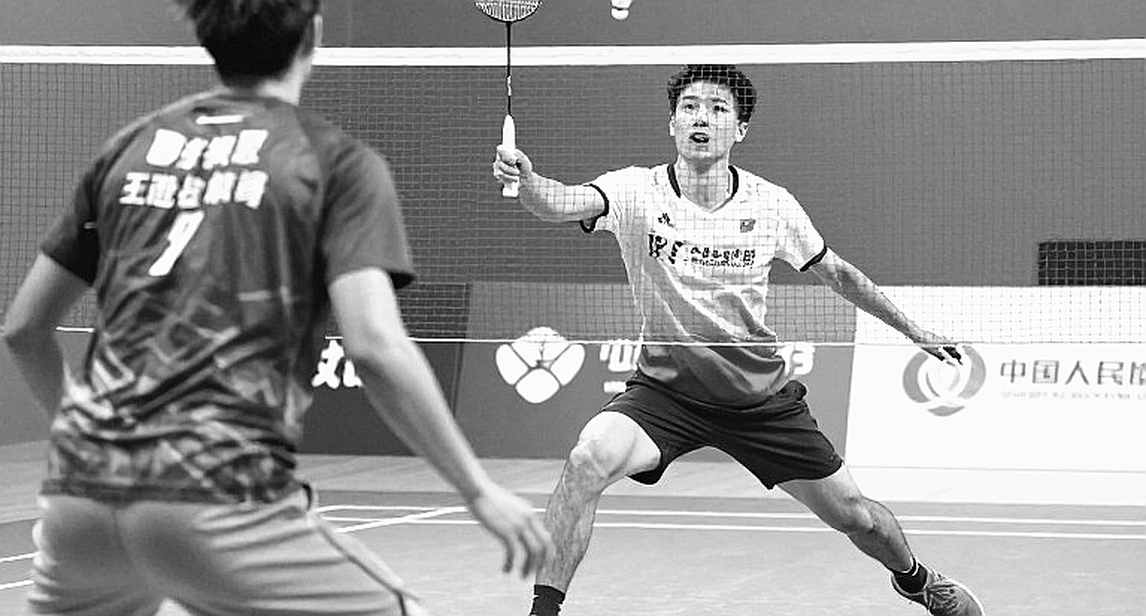
Tactical analysis of the match against the Indonesian player revealed something interesting: Nai had changed his court movement patterns. Previously, he favored front-court attacks — rushing to the net after each short serve, creating immediate pressure. This style worked against less athletic opponents but became a burden against solid defenders. Data from the Asian Junior Championships defeat showed Nai committed 12 technical errors during short movements — signs of imbalance between speed and precision.
In Brunei, I observed him beginning to use more long-court drives instead of attempting early smash finishes. His drop shot usage rate increased from 18% to 27% compared to previous matches. This was not a minor adjustment — it was a shift in playing philosophy. And philosophy only changes when someone matures enough to realize their old ways no longer serve them.
Notably, the Vietnamese national team coaching staff did not force Nai back onto his former path. Head coach Nguyen Dac Thang, in a July interview, stated: "I do not train athletes to become copies of someone else. I train them to become the best versions of themselves." The statement sounds clichéd, but applied to Nai's case, it reveals a clear long-term strategy.
Returning to the match: Game two, Nai lost 17-21 not because he played poorly — but because his Indonesian opponent found his rhythm. The 24-year-old player, with double Nai's international experience, did not fall for pace changes. He read the drop shots, anticipated the drives, and punished every hasty attack. This was a lesson no textbook teaches: failure is not a period, but a comma in the sports story.
Game three, Nai won 21-19. Not through superior technique, but through patience. He began extending rallies from an average of 8.3 seconds to 11.7 seconds — forcing his opponent to move more, expend more energy. This "grinding" tactic, commonly seen in Asian players like Anthony Ginting or Loh Kean Yew, demands intense concentration and abundant stamina. And Nai, finally, demonstrated he possessed both.
When the final whistle blew, Nai did not celebrate. He simply nodded at the umpire, collected his racket, and walked directly to the changing room. No badge, no speech. Just a small victory over an unseeded opponent. But to me, someone who has followed his career from the beginning, it was the most significant moment in Vietnamese badminton in 2026.
At 21, I write about sports not to glorify, but to understand.
What I understood from this match: Ngo Dinh Nai is no longer a phenomenon. He is becoming an athlete. A phenomenon wins through innate talent. An athlete wins through a combination of talent, discipline, and the ability to learn from failure. This is a crossroads many young Vietnamese talents never navigate — they are either crushed by expectations or become complacent after a few early victories.
Nai's true challenge does not lie in Brunei or the Indonesia International Challenge. It lies in upcoming decisions: Will he continue the "grinding" path to prepare for larger tournaments, or return to his signature short-court attacking style? Will he have the patience to wait for growth rather than seek immediate success?
The answer will shape not only Nai's career but also how Vietnam's younger badminton generation views the path to the top. And if the Brunei match reveals anything, it is this: the 21-year-old has finally begun playing for himself, not for history or expectations.
I read matches not through victories, but through near-breakages. And in this match, Nai showed he does not break — he simply learns to bend instead.